May 16, 2026
What Is HDPE? Why Is It Preferred in Packaging Production?
What is HDPE, is it recyclable and why is it preferred in packaging production? Discover durable, safe and sustainable HDPE packaging solutions.
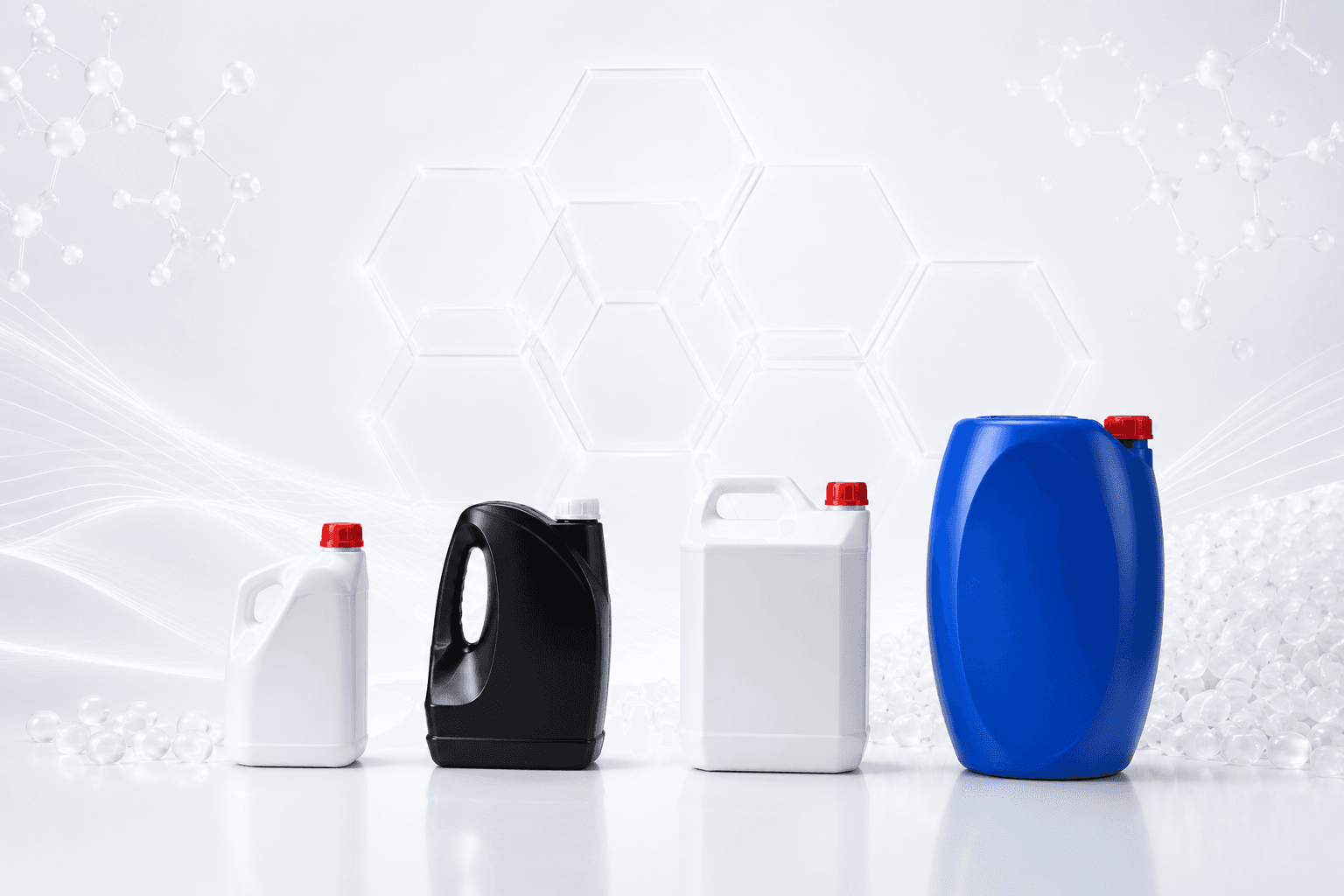
Today, the packaging industry focuses not only on production capacity, but also on solutions that can meet several criteria at once, including sustainability, durability, product safety and cost efficiency. At this point, the material used in packaging production becomes one of the most important factors directly affecting product performance and service life.
One of the most widely preferred materials in the packaging industry is HDPE. HDPE, or High Density Polyethylene, is a durable type of plastic commonly used in cosmetics, cleaning products, chemical products, personal care products and industrial packaging. So, what is HDPE, what are its key properties, is it recyclable and why is it so frequently preferred in packaging production?
What Is HDPE?
HDPE is a thermoplastic polymer derived from petroleum. The term “high density” refers to its tighter and more regular molecular structure. This dense and organized structure gives HDPE mechanical strength, rigidity, chemical resistance and long-lasting performance.
Since high density polyethylene is a thermoplastic material that can be shaped with heat, it can be easily adapted to various packaging forms. It offers a suitable structure for producing bottles, containers, jars, caps and packaging solutions in different volumes. This makes HDPE a flexible and functional option for both manufacturers and brands.
What Are the Key Properties of HDPE?
The main reason HDPE packaging is preferred is the material’s strong technical properties. Thanks to its high impact resistance, it does not break easily and shows resistance to cracking. This feature supports product safety, especially during transportation, storage and shipment processes.
Its resistance to chemicals makes HDPE a suitable packaging material for cleaning products, detergents, chemical liquids and industrial products. Being resistant to acids, bases and many chemical substances provides safe protection between the content and the packaging.
Low moisture permeability is another important advantage of HDPE. This material is effective in creating a liquid and moisture barrier, helping protect the product content from external factors. At the same time, its lightweight yet strong structure helps reduce transportation and storage costs.
Thanks to these properties, HDPE has a wide range of uses, from shampoo bottles and detergent containers to cleaning product packaging and industrial chemical containers.
Are HDPE Packages Recyclable?
Yes, HDPE is one of the most widely recyclable types of plastic. The number “2” found on packaging represents the recycling code for HDPE. This code makes it easier to sort and process the material correctly during recycling.
After collected HDPE products are cleaned and processed, they can be used again as raw material. This reduces the amount of crude oil needed for new plastic production, decreases the amount of plastic waste sent to landfills and prevents the product life cycle from being limited to single use.
Recycled HDPE can be used in the production of new packaging, pipes, transport crates, waste containers, pallets and various durable plastic products. This makes HDPE a more advantageous material from an environmental perspective and one that contributes to the circular economy.
Why Is HDPE Preferred in Packaging Production?
Choosing the right packaging material directly affects product safety, brand perception, logistics processes and costs. Therefore, selecting packaging material is not only a technical decision, but also a strategic choice.
HDPE reduces the risk of leakage, breakage and deterioration thanks to its resistance to impacts and chemical effects. It provides a safe packaging solution, especially for liquid products, cleaning products and chemical-based contents.
Its low permeability helps protect the content from external factors. This contributes to preserving product quality and extending shelf life. Safely maintaining the product formulation is an important advantage, especially for cosmetics, personal care and cleaning products.
The lightweight structure of HDPE contributes to lower transportation costs. At the same time, its durability helps reduce product losses that may occur during transportation, offering an indirect cost advantage. For this reason, HDPE packaging supports efficiency in both production and logistics processes.
Sustainable and Flexible Packaging Solutions
The recyclability of HDPE contributes to brands’ sustainability goals. Today’s consumers pay attention not only to product content, but also to the environmental impact of packaging. Therefore, recyclable packaging materials have become an important preference for brands.
Production flexibility is another key advantage of HDPE. HDPE packaging can be produced in different volumes, thicknesses and designs according to specific needs. Its suitability for bottles, containers, jars, caps and custom packaging forms gives brands a wide range of options in terms of design and usability.
HDPE Packaging Solutions with Tepe Plastik
At this point, not only high-quality raw materials but also the right production technology and engineering expertise are decisive factors. At Tepe Plastik, we aim to offer durability, safety and sustainability together in the HDPE packaging solutions we develop.
With products designed specifically for the needs of different industries, we provide functional and long-lasting packaging solutions. In our packaging and cap solutions for cleaning, cosmetics, medical and industrial product groups, we prioritize product safety, ease of use and quality standards.
As Tepe Plastik, we care about creating not only packaging for your brand, but also reliable protection, a sustainable approach and a strong quality standard.